ELEGOO Neptune 3 Plus Reviews: See Why 0 Shoppers Rated It 0 Stars!
Everyone’s got opinions. We collected 0 of them to see if the ELEGOO Neptune 3 Plus 3d printer really earns that 0/5 rating.
 Supermod
 Moderator
 Recaptor
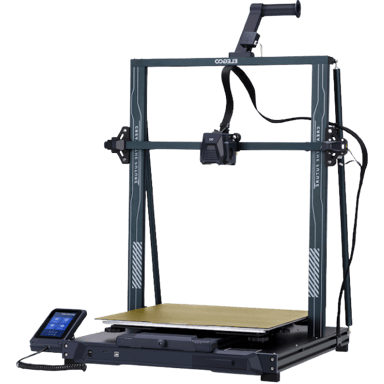
ELEGOO Neptune 3 Plus: An In-Depth Look at a Versatile FDM 3D Printer
When stepping into the realm of consumer 3D printers, especially those tailored for prototyping and miniatures, the ELEGOO Neptune 3 Plus emerges as a compelling option. Released in 2022, this FDM/FFF type printer is designed primarily for consumers and educational users, aiming to offer a blend of precision and ease of use. Its measurable build volume and certified safety features position it as a reliable choice for enthusiasts looking for a balance between functionality and budget. The specifications reflect engineering focused on versatility, with thoughtful inclusions like auto-bed leveling and direct drive extrusion that enhance print quality. This review digs into the specs to help readers understand how this printer operates in real-world terms and whether it truly stands out in a crowded market.
Detailed Specs and Features
On paper, the build volume of 12.6 x 12.6 x 15.7 inches (7584.72 cubic inches) is notably generous among desktop 3D printers. This larger workspace allows for printing bigger prototypes without segmenting designs. Accompanying this is a standard nozzle diameter of 0.4mm with optional sizes ranging from 0.2mm to 0.8mm, which translates into customizable layer detail; a boon for users needing both fast drafts and high-res models. The printing capabilities extend to a maximum extruder temperature of 500°F, which means it supports a wide spectrum of filament types, including PLA, ABS, PETG, TPU, and even wood-infused filaments.
This thermal range is quite broad compared to many printers in a similar price bracket, suggesting industrial-grade heating elements. The device measures roughly 22.76 inches wide, 20.98 inches deep, and 25.2 inches tall, making it moderately sized but still manageable for desktop setups. The printer's weight of 31.3 lbs points to a stable frame, equipped with a Cartesian frame type and linear rails for motion, ensuring precise linear motion and decent vibration control. The packaging footprint is slightly larger but compact enough for typical home or classroom delivery and setup.
Power-wise, the unit operates on an external supply that supports a dual-voltage input (100-120V and 200-240V), making it adaptable to various regions' electrical standards. With a peak power consumption of 500W and a low idle consumption of just 10W, the printer is reasonably energy efficient for its class, though it lacks a dedicated energy-saving mode. The user interface boasts a 4.3-inch touchscreen with a resolution of 480x272 pixels, offering intuitive controls and better navigation during print tasks. Notably, the printer lacks a built-in camera and remote monitoring, meaning users must be physically present for print supervision. However, multiple filament and print recovery sensors; such as a filament runout sensor and power loss recovery system; help minimize failed prints due to unforeseen interruptions. These features collectively build trust in its ability to produce consistent results.
Design & Build
In daily use, the Neptune 3 Plus's design focuses on straightforward assembly (it ships as a kit requiring setup) and robust construction. The open enclosure fosters easier access and visual monitoring but can affect temperature stability during printing; this is mitigated somewhat by the heated print bed capable of reaching up to 212°F. The textured PEI spring steel build plate promotes strong print adhesion and easy removal post-print without the need for additional adhesion aids. Users benefit from auto-bed leveling alongside manual calibration options, which improve the first layer consistency, a critical factor influencing print success. The printer's overall space requirement is modest at 4.13 square feet, making it suitable where desk space is limited.Performance
According to specs, this printer reaches an official maximum print speed of 180 mm/s, though effective speeds in practical use are closer to 50 mm/s, balancing quality and speed. The print accuracy stands at 100 microns, which is typical for quality consumer printers and confirms the device's suitability for detailed models and miniatures. It shines in its ability to maintain a 95% print success rate, supported by capabilities like print recovery and a filament runout sensor that detect common filament-related faults. Noise levels stay moderate, with operating noise at 50 dB, making it quieter than many competitors in the classroom or home workshop environments.Hardware Features
The hardware set further supports usability with LED lighting inside the print chamber, enhancing visibility during long print jobs. The direct drive extruder improves filament control, especially beneficial when printing flexible filaments like TPU. However, the absence of dual extruders limits multi-material or multi-color print capacity, restricting creativity to single-material projects unless modifications are made. The printer supports firmware updates via USB or SD card, lending it some longevity and adaptability to future improvements without needing cloud-based software or proprietary slicers.Extra Features
Certain advanced elements are missing, such as filament auto-loading, multi-material printing, and remote monitoring. Still, having compatibility with popular slicers like Cura and PrusaSlicer ensures a smooth software workflow for beginners and hobbyists alike. Safety-wise, the unit carries CE, FCC, and RoHS certifications and incorporates overheat protection and auto shutdown on error, marking it as a safe device for everyday consumer use despite its open frame design.Pros & Cons
Pros
- Generous Build Volume Suitable for Larger Prints
- Wide Filament Compatibility Including Flexible and Composite Types
- Reliable Auto Bed Leveling and Power Loss Recovery Features
- Certified Safety with CE, FCC, and RoHS Compliance
Cons
- Lacks Dual Extruder Capability for Multi-Material Printing
- No Built-In Camera or Remote Monitoring for Print Supervision
- No Energy Saving Mode, Leading to Moderate Power Consumption During Idle
Price & Value for Money
Priced at $249.99 at ELEGOO, this printer presents a compelling value proposition. Given its 1-year warranty and robust thermal control capacities, the pricing feels justified within the budget end of sophisticated consumer printers. The expansive build volume combined with advanced bed leveling and filament sensors outperforms many competitive printers in this price range, especially for users who prioritize print reliability and material versatility. However, users requiring multi-material or remote management features might find the offering limited, which is a normal trade-off at this price point.Quick Take
In short, the ELEGOO Neptune 3 Plus brings a strong combination of size, precision, and material compatibility to the budget-friendly desktop 3D printer market. Its feature set, including impressive thermal range and effective print recovery, makes it a solid option for hobbyists and educators seeking consistent, detailed results. If we look at the numbers alone, it packs a measured 50 mm/s print speed and a high 95% print success rate, further underlining its reliability.Closing Recommendation
The ELEGOO Neptune 3 Plus may be ideal for users who prioritize build volume and filament diversity in an accessible, easy-to-assemble platform. It appears to perform best for consumer-level prototyping and educational environments where safety certifications and print stability are essential. While it does not cater to advanced multi-material tasks or remote monitoring needs, it helps users achieve high-quality prints with straightforward controls and dependable engineering.Verdict
Rating: Based on the specifications and overall feature set, we believe ELEGOO Neptune 3 Plus deserves 4.2 out of 5.
- Winner Feature => Generous build volume combined with reliable print recovery systems ensures consistent success for various projects.
- Needs Improvement => Absence of dual extruders and remote print monitoring limits flexibility and convenience for advanced users.
Reviews 0
The good, the bad, and the brutally honest.Average Rating


More 3D Printers 453
Unlock more awesome finds.